
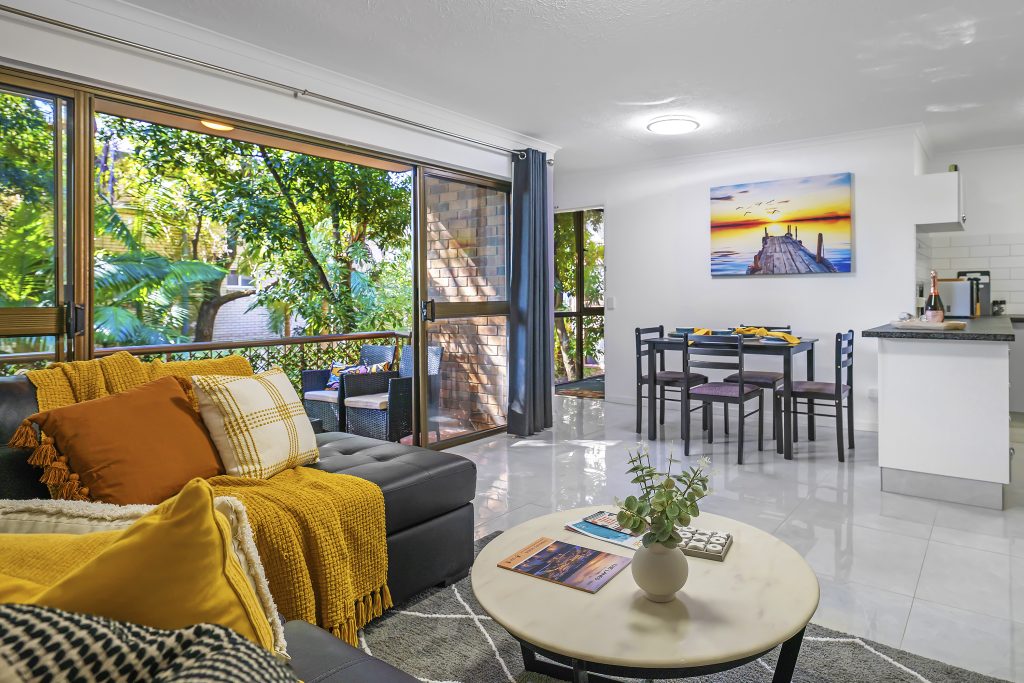
If you’re selling a property in Australia, you may be subject to Capital Gains Tax (CGT)—a tax applied to the profit (capital gain) made on the sale of an asset. However, not all properties are taxed, and there are exemptions, discounts, and strategies that can help minimise the amount payable. This guide will break down how CGT works, who it applies to, how it’s calculated, and ways to reduce your tax liability when selling property in Australia.
1. What is Capital Gains Tax (CGT)?
Capital Gains Tax (CGT) is the tax applied to the profit you make when selling an asset, including investment properties, holiday homes, and commercial real estate.
Do You Have to Pay CGT When Selling Property?
✔ YES – If the property is an investment property, holiday home, or commercial property.
❌ NO – If the property is your primary residence (exempt from CGT).
📌 CGT is not a separate tax—it is included in your income tax calculation for the financial year in which you sell the property.
💡 Key Takeaway: If you make a profit from selling property, CGT may apply, but there are exemptions and discounts available.
2. When Do You Have to Pay Capital Gains Tax?
CGT applies when you sell or dispose of a property. The date for CGT purposes is:
✔ The contract date (not settlement date).
✔ Even if the sale settles in the following financial year, CGT is calculated based on the contract date.
💡 Example:
- You sign a sale contract on June 15, 2024, but settlement occurs on August 10, 2024.
- CGT is assessed in your 2023-24 tax return, not the 2024-25 tax year.
3. Exemptions: When You Don’t Have to Pay CGT
Some properties are exempt from CGT, meaning you don’t have to pay tax on the profit made.
Primary Residence Exemption (Main Residence Rule)
✔ If the property was your main home (PPOR – Principal Place of Residence) for the entire period of ownership, you do NOT pay CGT.
✔ To qualify:
- You must have lived in the property as your main home.
- You must not have rented it out for extended periods.
- The land size must be less than 2 hectares.
💡 Pro Tip: If you move out and rent the property, you can still claim the CGT exemption for up to 6 years (if you don’t own another primary residence).
Other CGT Exemptions & Concessions
✔ “6-Year Rule” for Investment Properties – If you move out and rent your property, you can still claim the CGT exemption for up to 6 years.
✔ Inherited Properties – If you inherit a home and sell it within 2 years, CGT may be avoided.
✔ Forced Sale Due to Divorce or Financial Hardship – Certain cases allow for CGT relief.
💡 Key Takeaway: If the home was your main residence, you likely don’t have to pay CGT.
4. How to Calculate Capital Gains Tax on Property Sales
If your property is not exempt from CGT, here’s how to calculate the tax you owe.
Step 1: Determine the Capital Gain
The capital gain (profit) is the sale price minus the purchase price and deductible expenses.
📌 Formula:
Capital Gain = Selling Price – (Purchase Price + Eligible Costs)
Eligible Costs That Reduce CGT:
✔ Stamp duty paid when buying the property.
✔ Legal & conveyancing fees.
✔ Renovation/improvement costs (but NOT maintenance/repairs).
✔ Advertising & agent commission costs.
💡 Example Calculation:
| Cost Type | Amount |
|---|---|
| Purchase Price | $500,000 |
| Sale Price | $750,000 |
| Stamp Duty (on purchase) | -$18,000 |
| Agent & Legal Fees | -$15,000 |
| Capital Gain | $217,000 |
The capital gain in this case is $217,000, but discounts and exemptions may reduce the tax owed.
5. Capital Gains Tax Discounts & Reductions
You can reduce your CGT bill using available discounts and concessions.
1. 50% CGT Discount (For Individuals & Trusts)
✔ If you’ve owned the property for more than 12 months, you qualify for a 50% CGT discount.
✔ This means you only pay tax on 50% of the capital gain.
💡 Example:
- If your capital gain is $200,000, you only pay tax on $100,000.
- The taxable amount is added to your income and taxed at your marginal tax rate.
2. Small Business CGT Concessions
If you’re selling business property, there are additional tax concessions available, including:
✔ 15-Year Exemption – No CGT if you’ve owned the property for 15+ years and are retiring.
✔ Small Business Rollover – Delay CGT by reinvesting in another business asset.
3. Using Capital Losses to Reduce CGT
✔ If you sold another asset at a loss, you can offset the loss against your capital gain.
✔ Capital losses can be carried forward to future years if not used immediately.
💡 Pro Tip: If selling multiple assets, time your sales strategically to use capital losses against taxable gains.
6. How to Reduce Capital Gains Tax on Investment Properties
Here are some legal strategies to reduce your CGT bill:
✔ Hold the property for more than 12 months to qualify for the 50% CGT discount.
✔ Use the 6-Year Rule if you previously lived in the property before renting it out.
✔ Offset gains with capital losses from other investments.
✔ Time the sale strategically to avoid pushing yourself into a higher tax bracket.
💡 Pro Tip: Work with a tax accountant to maximise deductions and lower your CGT liability.
7. Frequently Asked Questions (FAQs)
1. Do I have to pay CGT if I sell my home?
No, if it was your main residence (PPOR), you are exempt from CGT.
2. How can I avoid paying CGT on an investment property?
Use strategies like the 6-Year Rule, holding for over 12 months, or offsetting gains with losses.
3. What happens if I make a capital loss?
Capital losses can offset capital gains from other assets or be carried forward to future years.
4. Is CGT higher if I sell quickly after buying?
Yes, if owned for less than 12 months, you don’t qualify for the 50% CGT discount.
5. Do foreign residents pay more CGT?
Yes, non-residents do not qualify for the 50% discount and may have higher CGT rates.
Conclusion
✔ CGT applies to investment properties, but not primary residences.
✔ The 50% discount applies if you own the property for more than 12 months.
✔ Exemptions, deductions, and strategic timing can reduce CGT liability.
✔ Always seek tax advice before selling to optimise CGT outcomes.
For expert guidance on selling property in Arundel, visit our Selling Property in Arundel, QLD 4214 page.