

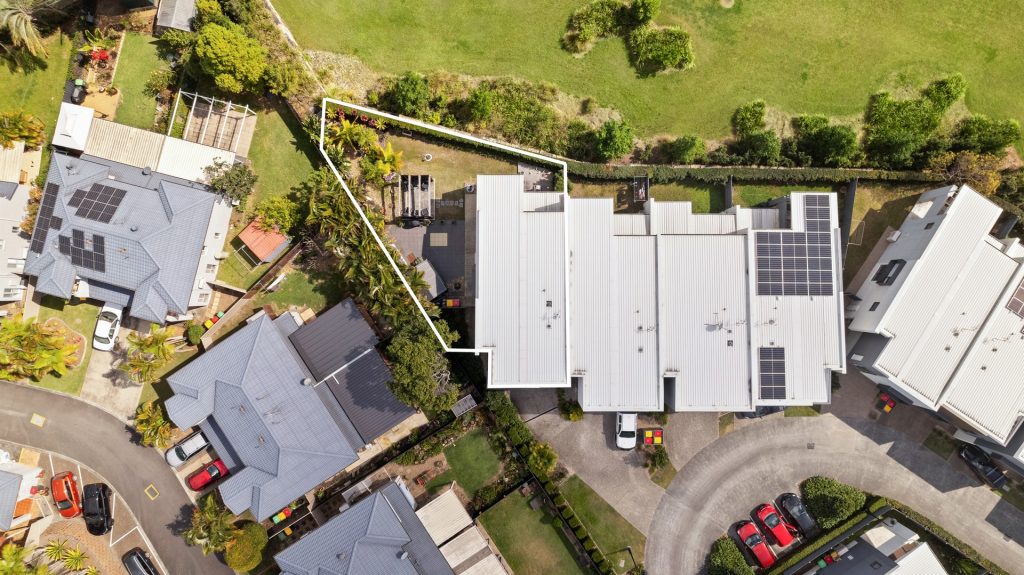
In the competitive real estate market of Arundel, QLD 4214, a well-written property description can make all the difference. Buyers are not just looking for square metres and features—they want to imagine themselves living in the home.
This is where storytelling comes in. A compelling property listing does more than list features—it paints a picture, creates emotion, and engages buyers in a way that makes them feel connected to the home.
In this guide, we will show you how to craft a powerful real estate listing that grabs attention, sparks interest, and ultimately helps sell your home faster.
1. Why Storytelling Matters in Real Estate Listings
When buyers browse hundreds of listings, they do not remember generic descriptions like:
“3-bedroom, 2-bathroom home with double garage. Close to schools and shops.”
Instead, they connect with a description that tells a story, such as:
“Step inside this sun-drenched Arundel retreat, where morning coffees are best enjoyed on the breezy alfresco deck, and weekends are spent unwinding in your private backyard oasis. With three spacious bedrooms and a thoughtfully designed floor plan, this home blends comfort and convenience just minutes from schools, parks, and cafes.”
The Psychology Behind Storytelling in Real Estate
✔ Creates an emotional connection—Buyers imagine themselves living in the home.
✔ Engages the reader—A story holds their attention longer.
✔ Differentiates the property—Makes your home stand out from others.
✔ Triggers desire and urgency—Buyers feel motivated to book an inspection.
People remember stories, not just facts. A strong narrative makes a home feel like more than just a building—it becomes a lifestyle.
2. Crafting the Perfect Opening Line
Your first sentence is the hook—it determines whether buyers keep reading or move on to the next listing.
Weak Opening vs. Strong Opening
❌ Generic: “This 4-bedroom house is perfect for families.”
✅ Engaging: “A home where laughter fills the open-plan living space and sunsets are best enjoyed from your private deck—this four-bedroom retreat is ready to welcome its next owners.”
💡 Pro Tip: Start with a feeling, lifestyle, or unique feature, rather than a basic fact.
3. Highlighting Features Through Storytelling
Instead of simply listing features, show buyers how they will experience them.
| Feature | Basic Description | Storytelling Description |
|---|---|---|
| Outdoor Space | “Large backyard” | “A spacious backyard where summer barbecues, kids’ playtime, and quiet morning coffees become part of daily life.” |
| Kitchen | “Modern kitchen with island bench” | “The heart of the home—this chef’s kitchen boasts a sleek island bench, perfect for casual breakfasts and weekend entertaining.” |
| Master Bedroom | “Spacious master with ensuite” | “Your personal retreat—a light-filled master suite with a private ensuite, walk-in robe, and space to unwind after a long day.” |
💡 Pro Tip: Think about how the home is lived in, not just its physical characteristics.
4. Using Sensory Language to Make the Home Come Alive
Buyers connect more with listings that include sensory details—words that evoke sight, sound, touch, taste, and smell.
Examples of Sensory Storytelling in Listings
✅ Sight: “Sunlight floods the open-plan living space, highlighting polished timber floors.”
✅ Sound: “Wake up to the peaceful sounds of birdsong in your private garden retreat.”
✅ Touch: “Cool sea breezes flow through the home, keeping summer days comfortable.”
✅ Taste: “Enjoy weekend brunch on the alfresco deck, with fresh coffee in hand and golden toast straight from the kitchen.”
✅ Smell: “Breathe in the scent of blooming jasmine as you relax in the beautifully landscaped backyard.”
💡 Pro Tip: Buyers don’t just want to see the home—they want to feel it.
5. Structuring Your Listing for Maximum Impact
A well-structured listing makes the home easy to read and engaging.
The Ideal Real Estate Listing Format
1️⃣ Engaging Opening Line – Creates curiosity and emotional appeal.
2️⃣ Lifestyle & Location Highlights – Describe the lifestyle the home offers.
3️⃣ Key Features – Highlight standout elements in a way that flows naturally.
4️⃣ Call to Action – Encourage buyers to take the next step (book an inspection).
💡 Example Listing:
*”Imagine waking up in a sun-filled master suite, stepping onto your private balcony, and enjoying a quiet moment with a cup of coffee as the coastal breeze drifts in. Welcome to this stunning four-bedroom Arundel home, where every detail has been designed for modern family living.
With an entertainer’s kitchen, seamless indoor-outdoor flow, and a backyard that feels like a tropical escape, this home is perfect for those who love to host or simply unwind in style. Nestled in a quiet cul-de-sac just minutes from schools, shopping, and parks, this is a home where convenience meets serenity.
Ready to make it yours? Contact us today to arrange an inspection.”*
💡 Pro Tip: Keep paragraphs short and easy to skim—buyers often scroll quickly through listings.
6. Common Mistakes to Avoid in Home Descriptions
🚫 Using Too Much Jargon: Buyers may not understand terms like “triple-aspect fenestration”—keep it clear and relatable.
🚫 Overhyping or Misleading: Don’t oversell a small backyard as “a sprawling outdoor oasis”—set accurate expectations.
🚫 Using Clichés: Phrases like “rare opportunity” or “charming abode” feel overused and inauthentic.
🚫 Forgetting a Call to Action: Always invite buyers to book an inspection or request more details.
7. Using Storytelling in Marketing Beyond Listings
A compelling home description is just one part of effective real estate marketing.
Where Else to Use Storytelling in Your Property Sale
📸 Social Media Posts – Share a short, engaging story with a stunning image.
🎥 Video Walkthroughs – Narrate a story about the home’s best features.
📰 Brochures & Flyers – Use lifestyle-driven language to enhance print materials.
📢 Email Marketing – Send out a compelling story that encourages buyers to book an inspection.
💡 Pro Tip: Keep the storytelling consistent across all marketing channels to reinforce the emotional appeal.
8. Frequently Asked Questions
1. How long should a real estate listing description be?
Aim for 150-250 words—long enough to tell a story, but short enough to keep buyers engaged.
2. What’s the most important part of a listing?
The opening line—if it does not hook the buyer, they may scroll past the rest.
3. Should I write the listing myself or use an agent?
A great real estate agent knows how to craft compelling descriptions that attract buyers. If writing it yourself, focus on storytelling, clarity, and engagement.
4. How do I make my listing stand out in a competitive market?
Use strong visuals, sensory language, and an engaging story to create an emotional connection.
5. Does storytelling really help sell homes?
Yes! Emotional engagement leads to faster sales and can even result in higher offers.
Conclusion
The best real estate listings go beyond features and numbers—they tell a story. By using engaging language, sensory details, and emotional appeal, you can make your home stand out, attract more buyers, and sell faster.
Ready to craft the perfect listing? Visit our Selling Property in Arundel, QLD 4214 page for expert advice.