

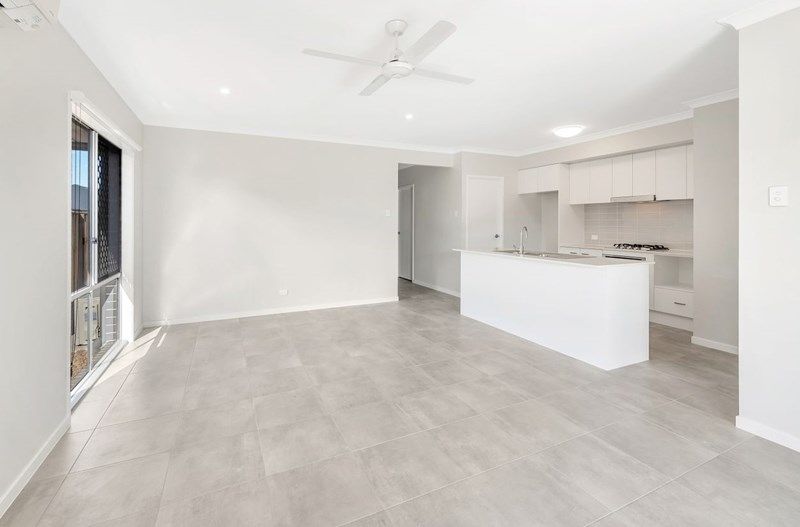
Selling a home isn’t just about finding a buyer and signing a contract—it involves important legal obligations that every seller in Queensland (QLD) must follow. From understanding contract requirements to dealing with disclosures and settlement processes, knowing the legal side of selling property ensures a smooth, stress-free sale. If you’re selling in Arundel, QLD 4214, here’s what you must know about the legal aspects of property transactions in Queensland.
1. The Legal Requirements for Selling a Home in QLD
What Are Your Legal Responsibilities as a Seller?
✔ Prepare a legally compliant contract of sale
✔ Disclose relevant property information to the buyer
✔ Follow QLD’s settlement laws and transfer ownership correctly
✔ Ensure compliance with safety and regulatory requirements (e.g., smoke alarms, pool fencing)
💡 Failure to meet legal requirements can delay the sale or lead to legal disputes.
2. The Contract of Sale: What’s Included?
A contract of sale is a legally binding agreement between the seller and buyer. In QLD, this contract must be prepared by a licensed real estate agent or solicitor.
What Must Be Included in the Contract?
✔ Property details – Address, title reference, and inclusions (e.g., appliances, fixtures)
✔ Price and deposit details – Agreed sale price, deposit amount, and due dates
✔ Settlement date – Usually 30 to 60 days after signing
✔ Special conditions – Any agreed terms (e.g., subject to finance, building inspections)
✔ Disclosure requirements – Legal obligations regarding the property’s condition
💡 Pro Tip: Always review the contract with a solicitor or conveyancer to ensure all terms are correct.
3. Disclosure Obligations: What You Must Tell Buyers
Sellers in QLD must legally disclose certain property details before selling.
Mandatory Disclosures Include:
✔ Title & Ownership Details – Ensure the property is legally registered under your name.
✔ Easements & Encumbrances – Any restrictions on land use (e.g., shared driveways, utility easements).
✔ Zoning & Development Approvals – If the property is affected by zoning laws or local planning regulations.
✔ Body Corporate Fees & By-Laws (for units/townhouses) – Buyers must be informed about strata fees and regulations.
✔ Notifiable Issues – Any property defects, structural problems, or known safety hazards.
💡 Hiding property defects can lead to legal disputes and financial penalties.
4. Cooling-Off Period: What Sellers Need to Know
Buyers in QLD have a 5-business-day cooling-off period after signing a contract (unless the property was bought at auction).
What Happens During the Cooling-Off Period?
✔ Buyers can terminate the contract without a reason.
✔ If they withdraw, they forfeit 0.25% of the purchase price as a penalty.
✔ The cooling-off period does not apply to auction sales.
💡 Pro Tip: If you’re selling by private treaty, be prepared for the buyer to withdraw—but this rarely happens when buyers are serious.
5. Understanding Deposits & Settlement
Once the contract is signed, the buyer must pay a deposit—usually 5-10% of the purchase price. This deposit is held in a trust account until settlement.
How Does Settlement Work?
✔ The buyer’s solicitor confirms final payments and mortgage approvals.
✔ The seller provides all necessary legal documents for property transfer.
✔ On settlement day, the buyer’s bank pays the remaining balance, and the property is officially transferred.
💡 Pro Tip: Ensure any outstanding council rates or water bills are settled before the handover.
6. Compliance Requirements Before Settlement
Safety & Regulatory Compliance Checklist:
✔ Smoke Alarms – Must meet QLD’s latest smoke alarm laws.
✔ Pool Safety Certificate (if applicable) – Required for homes with a pool.
✔ Electrical Safety Switch – Must be installed for power circuits.
✔ Building & Pest Clearance – If required by contract conditions.
💡 If you fail to meet legal safety requirements, settlement can be delayed or cancelled.
7. Taxes & Fees When Selling Property in QLD
Selling a property in Queensland comes with various costs, including:
Key Expenses for Sellers:
💰 Agent Commission – Typically 2-3% of the sale price.
💰 Conveyancing Fees – Around $800 – $2,000 for legal processing.
💰 Capital Gains Tax (CGT) – Applies if selling an investment property (not your primary residence).
💰 Mortgage Discharge Fees – If you have an existing mortgage.
💡 Pro Tip: If selling an investment property, consult an accountant about capital gains tax implications.
8. What Happens If the Buyer Fails to Settle?
In rare cases, buyers may not complete the purchase on settlement day.
Your Legal Rights as a Seller:
✔ Keep the deposit (if the buyer defaults).
✔ Pursue legal action for financial losses.
✔ Relist the property and seek a new buyer.
💡 Most settlements go smoothly, but having a strong contract protects your rights.
9. Do You Need a Solicitor or Conveyancer?
In QLD, hiring a conveyancer or solicitor ensures your sale follows all legal requirements.
What They Do for Sellers:
✔ Prepare legal documents for property transfer.
✔ Ensure the contract meets QLD property laws.
✔ Manage financial adjustments (e.g., council rates, strata fees).
✔ Handle settlement and transfer of funds.
💡 A conveyancer or solicitor ensures everything is legally sound—giving you peace of mind.
10. Selling at Auction vs. Private Sale: What’s Different?
Selling via auction or private treaty has different legal implications.
| Factor | Auction | Private Sale |
|---|---|---|
| Cooling-Off Period | ❌ No cooling-off period | ✅ 5-business-day cooling-off applies |
| Contract | Immediate, unconditional sale | Can include conditional clauses |
| Deposit | Paid on auction day (10%) | Paid within days of contract signing |
| Best For | Competitive markets, fast sales | Flexible negotiation, private sales |
💡 Choosing the right sales method depends on market conditions and your selling goals.
Frequently Asked Questions
1. Do I need to disclose everything about my home?
You must disclose any known property issues, zoning restrictions, or safety concerns—hiding information can lead to legal disputes.
2. Can a buyer back out after signing the contract?
Yes, but only during the cooling-off period (if applicable). They forfeit 0.25% of the purchase price if they withdraw.
3. Do I have to pay tax on the sale of my home?
If it’s your primary residence, capital gains tax (CGT) does not apply. However, CGT applies to investment properties.
4. How long does settlement take?
Settlement in QLD typically takes 30 to 60 days, depending on contract terms.
5. Who holds the deposit during the sale process?
The deposit is held in a trust account (usually with the agent or conveyancer) until settlement.
Conclusion
Selling a property in Queensland involves key legal steps that sellers must follow to ensure a smooth transaction.
✔ Have a legally sound contract to protect your rights.
✔ Ensure all disclosures and safety regulations are met.
✔ Understand tax obligations and selling costs to avoid surprises.
✔ Work with a conveyancer or solicitor to handle legal paperwork.
For expert legal guidance and selling advice, visit our Selling Property in Arundel, QLD 4214 page.